Enhancing Canine Health with Aquatic Therapy Services

Updated: May 19
Canine health is a priority for pet owners, and finding effective ways to enhance their well-being is essential. One innovative approach gaining traction is aquatic therapy. This method not only supports physical rehabilitation but also promotes overall health and happiness in dogs. In this blog post, we will explore the benefits of aquatic therapy, how it works, and what to expect from these services.
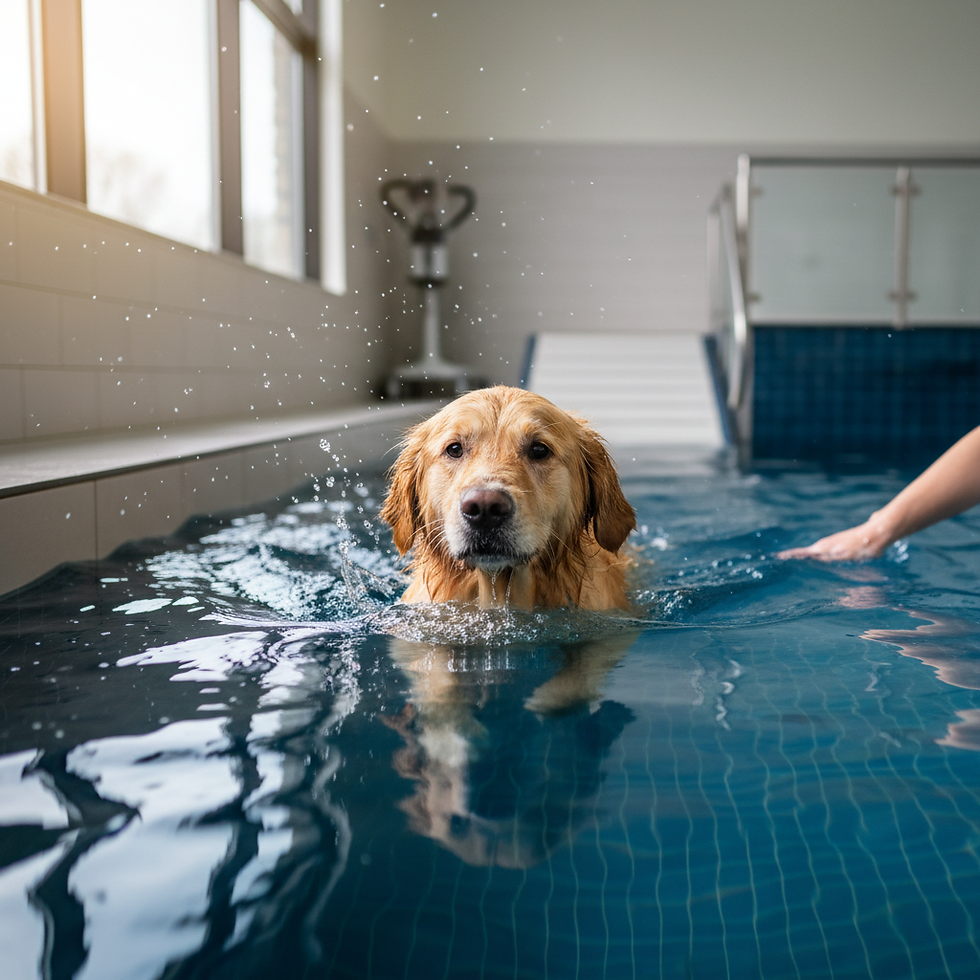
Understanding Aquatic Therapy
Aquatic therapy, also known as hydrotherapy, involves the use of water to facilitate physical rehabilitation and exercise for dogs. This therapy can be beneficial for dogs recovering from surgery, managing chronic conditions, or simply needing a low-impact workout.
How Aquatic Therapy Works
The principles of aquatic therapy are based on the unique properties of water:
Buoyancy: Water supports the dog's weight, reducing stress on joints and muscles. This allows dogs to move more freely and comfortably.
Resistance: Water provides resistance, which helps strengthen muscles without the risk of injury associated with traditional land-based exercises.
Temperature: Warm water can soothe sore muscles and promote relaxation, making it easier for dogs to engage in physical activity.
Types of Aquatic Therapy
There are several forms of aquatic therapy available for dogs:
Swimming: This is the most common form of aquatic therapy. Dogs swim in a controlled environment, often in a therapy pool designed specifically for their needs.
Underwater Treadmill: This equipment allows dogs to walk or run in water while being partially submerged. It combines the benefits of resistance training with the support of buoyancy.
Hydrostatic Pressure: The pressure of water can help improve circulation and reduce swelling, making it beneficial for dogs with certain medical conditions.
Benefits of Aquatic Therapy
Aquatic therapy offers a wide range of benefits for dogs, including:
Physical Rehabilitation
For dogs recovering from surgery or injury, aquatic therapy can significantly speed up the healing process. The low-impact nature of water-based exercises allows dogs to regain strength and mobility without putting undue stress on their bodies.
Pain Management
Many dogs suffer from chronic pain due to conditions like arthritis or hip dysplasia. Aquatic therapy can help alleviate discomfort by promoting circulation and reducing inflammation. The warm water can also provide soothing relief to sore muscles and joints.
Weight Management
Obesity is a growing concern among pets, leading to various health issues. Aquatic therapy provides an enjoyable way for dogs to exercise, helping them shed excess weight while minimizing the risk of injury.
Improved Mobility
As dogs age, they may experience decreased mobility. Aquatic therapy can help improve range of motion and flexibility, allowing older dogs to maintain an active lifestyle.
Enhanced Mental Well-being
Physical activity is crucial for a dog's mental health. Aquatic therapy can stimulate their minds and provide a fun, engaging environment that reduces anxiety and stress.
What to Expect from Aquatic Therapy Services
If you're considering aquatic therapy for your dog, here's what you can expect:
Initial Assessment
Before starting therapy, a qualified professional will conduct an assessment of your dog's health and physical condition. This may include evaluating their range of motion, strength, and any specific issues that need to be addressed.
Customized Therapy Plan
Based on the assessment, a tailored therapy plan will be developed to meet your dog's unique needs. This plan may include a combination of swimming, underwater treadmill sessions, and other exercises.
Supervised Sessions
All aquatic therapy sessions should be supervised by trained professionals who understand canine anatomy and rehabilitation. They will ensure your dog is safe and comfortable throughout the process.
Progress Monitoring
Regular evaluations will be conducted to monitor your dog's progress. Adjustments to the therapy plan may be made based on their improvement and any changes in their condition.
Finding Aquatic Therapy Services
When looking for aquatic therapy services for your dog, consider the following:
Qualifications and Experience
Ensure that the facility employs certified professionals with experience in canine rehabilitation. Look for credentials from recognized organizations in animal therapy.
Facility Features
Choose a facility that offers a safe and clean environment. The therapy pool should be specifically designed for dogs, with appropriate temperature control and safety features.
Client Testimonials
Reading reviews and testimonials from other pet owners can provide insight into the effectiveness of the therapy and the quality of care provided.
Location and Accessibility
Consider the location of the facility and whether it is easily accessible for you and your dog. Convenience can make a significant difference in your commitment to the therapy.
Real-Life Success Stories
Many pet owners have shared their success stories after incorporating aquatic therapy into their dogs' rehabilitation plans. Here are a couple of examples:
Case Study: Max the Labrador
Max, a 7-year-old Labrador Retriever, underwent knee surgery after an injury. His owner enrolled him in aquatic therapy to aid his recovery. After several weeks of swimming and underwater treadmill sessions, Max regained full mobility and returned to his favorite activities, including fetching and playing at the park.
Case Study: Bella the Beagle
Bella, a 10-year-old Beagle, struggled with arthritis and was becoming less active. Her owner decided to try aquatic therapy as a way to manage her pain. After a few sessions, Bella showed significant improvement in her mobility and energy levels. She now enjoys daily walks and playtime with her family.
Conclusion
Aquatic therapy is a valuable tool for enhancing canine health and well-being. Whether your dog is recovering from an injury, managing a chronic condition, or simply needs a fun way to stay active, aquatic therapy can provide numerous benefits. By understanding how it works and what to expect, you can make an informed decision about incorporating this innovative therapy into your dog's care routine.
If you're interested in exploring aquatic therapy for your furry friend, reach out to a local facility to learn more about their services and how they can help your dog thrive.


Comments